
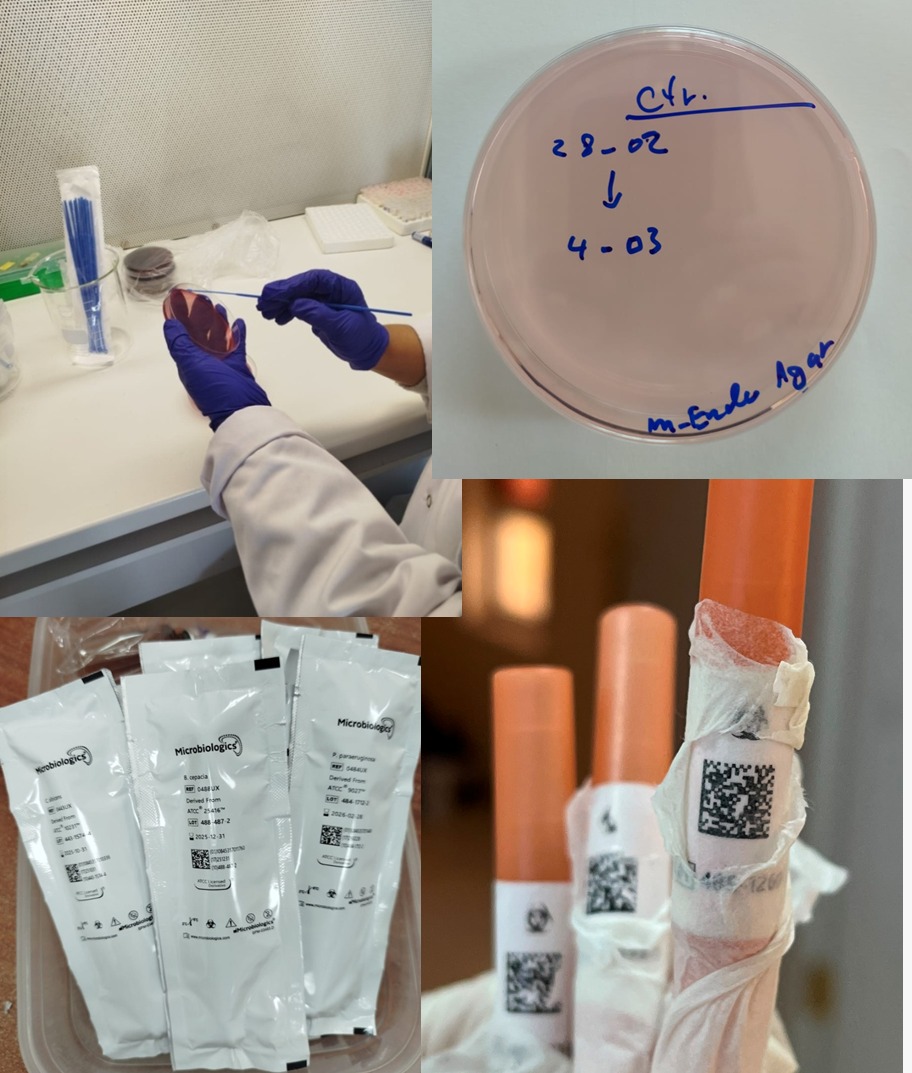
Across the region, national biobanks have quietly become one of the most powerful tools in modern medicine. They give researchers a shared, standardized library of biological material — bacteria, fungi, tissue, and genetic data — that can be mined for years to come, powering everything from cancer research to outbreak response. Iraq, until now, has had no such infrastructure of its own.
That absence has real consequences. Without a national repository, Iraqi researchers monitoring cancer or diseases shaped by local genetics and environment have had to rely on data and diagnostic reference points built somewhere else — for populations that are not their own. Neighboring countries, meanwhile, have already put their biobanks to work, using them to attract research funding, forge international partnerships, and sharpen diagnostics at home.
The project set out to answer a practical question: could Iraq collect, isolate, and preserve clinically relevant microorganisms to the same standard as an established biobank? Working across two hospitals in Sulaimani City over 24 months, the pilot answered that question decisively — yes.
The team built a preserved collection of locally sourced bacterial and fungal isolates, identified each one at the species level using 16S rRNA sequencing, and stored them in cryopreservation facilities at –80°C, all governed by standard operating procedures aligned with international biobanking practice.
150 13 2
Bacterial strains preserved Fungal strains preserved Hospitals, Sulaimani City
A strain database now exists as a first, concrete step toward national recognition — and potentially, toward joining global culture collection networks that connect researchers worldwide. That single piece of infrastructure unlocks a cascade of downstream impact:
- Iraq-specific genetic and diagnostic reference data — information that simply does not exist yet in global databases, and without which local research findings are harder to trust or apply.
- A foundation for international research funding and collaboration, since credible partnerships increasingly require credible, standardized local infrastructure.
- Sharper public health surveillance of disease patterns tied to the region's specific environmental and genetic exposures.
- Long-term cost savings, as fewer samples need to be shipped abroad for analysis that could be done at home.
- A baseline of reference data ready to support outbreak tracing and the development of targeted vaccines and antibiotics.